If you live in Western Australia, you’ve probably heard people complain about “hard water” — dull hair, dry skin, stubborn soap scum on shower screens, and that white scale buildup around taps. But what is hard water, and how can you test for it in your home?
This guide breaks everything down in simple language, helping you understand what’s in your water, how it affects your daily life, and what you can do about it.
What Is Hard Water?
Hard water is water that contains high levels of hard water minerals, mainly calcium carbonate and magnesium. These minerals naturally occur in underground rocks and soil across many regions of WA.
When water travels through mineral-rich areas, these particles dissolve into the water supply. The result?
Water that’s still safe to drink — but can cause several everyday problems.
Common Effects of Hard Water
Hard water doesn’t just leave marks on surfaces; it affects your home, skin, hair, and appliances.
1. Soap Scum & Residue
If you notice:
- White spots on shower screens
- A filmy layer on taps
- Difficulty getting soap to lather
— that’s soap scum, caused when calcium reacts with soap.
2. Scale Buildup in Pipes & Appliances
Over time, hard water leads to:
- Kettles with white flakes
- Blocked showerheads
- Reduced water pressure
- Hot water systems wearing out faster
This happens because minerals form scale buildup in pipes, reducing efficiency.
3. Skin & Hair Dryness
Many WA residents report dry, itchy skin or dull hair — one of the most common effects of hard water.
4. Hard Water Problems in Drinking Water
While drinking is generally safe, many people notice:
- A chalky aftertaste
- Cloudiness
- Metallic or mineral-like taste
These are all signs of hardness in drinking water.
Signs You May Have Hard Water in Western Australia
Residents often mention noticing these daily annoyances:
- Glassware looks cloudy even after washing
- Clothes feel rough after laundry
- The dishwasher leaves white marks
- Soap doesn’t foam easily
- Skin feels dry right after a shower
If any of these sound familiar, your home likely has hard water.
How Can You Test for Hard Water?
There are several simple ways to check how hard your water really is. You don’t need special tools — just some easy steps.
1. The Soap Lather Test (Quick Home Method)
A popular DIY method:
- Fill a transparent bottle halfway with tap water
- Add a few drops of liquid soap
- Shake well
If it produces lots of bubbles → your water is soft
If it creates minimal foam and looks cloudy → your water is likely hard
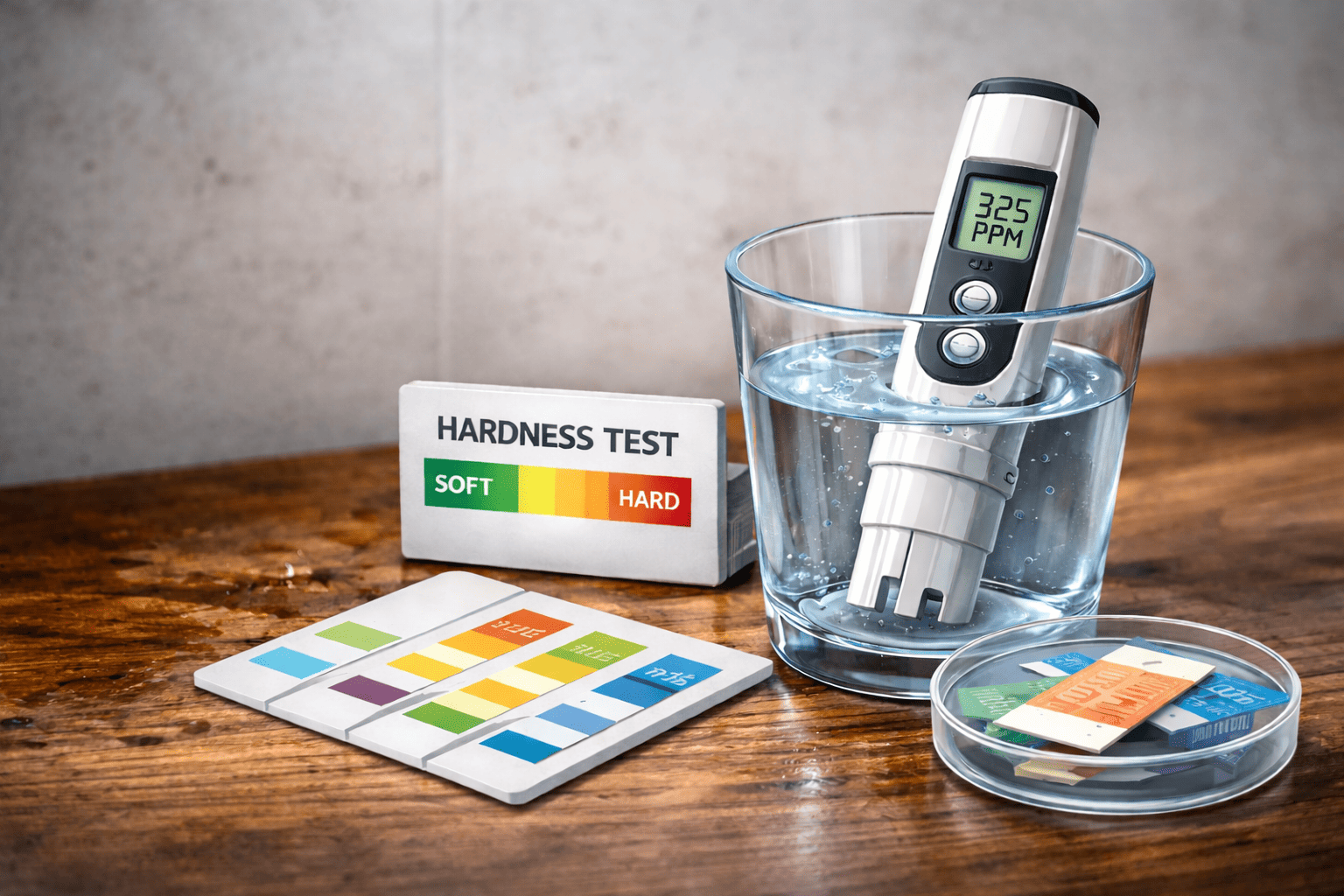
2. Checking Total Dissolved Solids (TDS)
A TDS meter helps measure total dissolved solids, including minerals.
- Below 150 ppm → softer water
- 150–300 ppm → moderately hard
- Above 300 ppm → hard water
Many areas of WA fall in the moderate-to-hard range.
3. Checking Calcium Carbonate Levels
Water hardness is often measured in mg/L or ppm of calcium carbonate. Higher numbers = harder water.
4. Professional Water Assessment
Professionals can give a more accurate reading of hardness levels and evaluate long-term risks for appliances and plumbing.
A Real WA Homeowner’s Experience (Storytelling Section)
One WA homeowner shared their experience after upgrading their water filtration:
“Manny from Pure4Sure Home Water Filtration was amazing. He explained everything clearly, and the price was very reasonable. The system was installed on time, and we could feel and taste the difference in our showers and drinking water immediately. We’re very happy with the service and system. I’d recommend anyone looking for a good, affordable setup to see Manny.”
This shows how deeply hard water affects daily lifestyle — and how the right filtration system brings noticeable improvements.
Hard Water Treatment Options
If testing confirms hard water in your home, here are the most effective hard water treatment options:
✔ 1. Water Softeners
These systems remove calcium and magnesium through ion exchange — ideal for homes struggling with scale buildup.
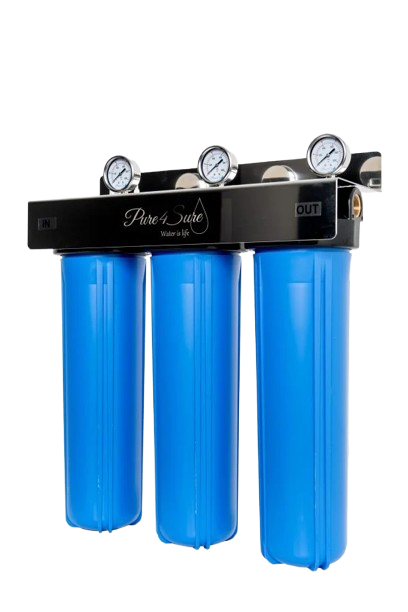
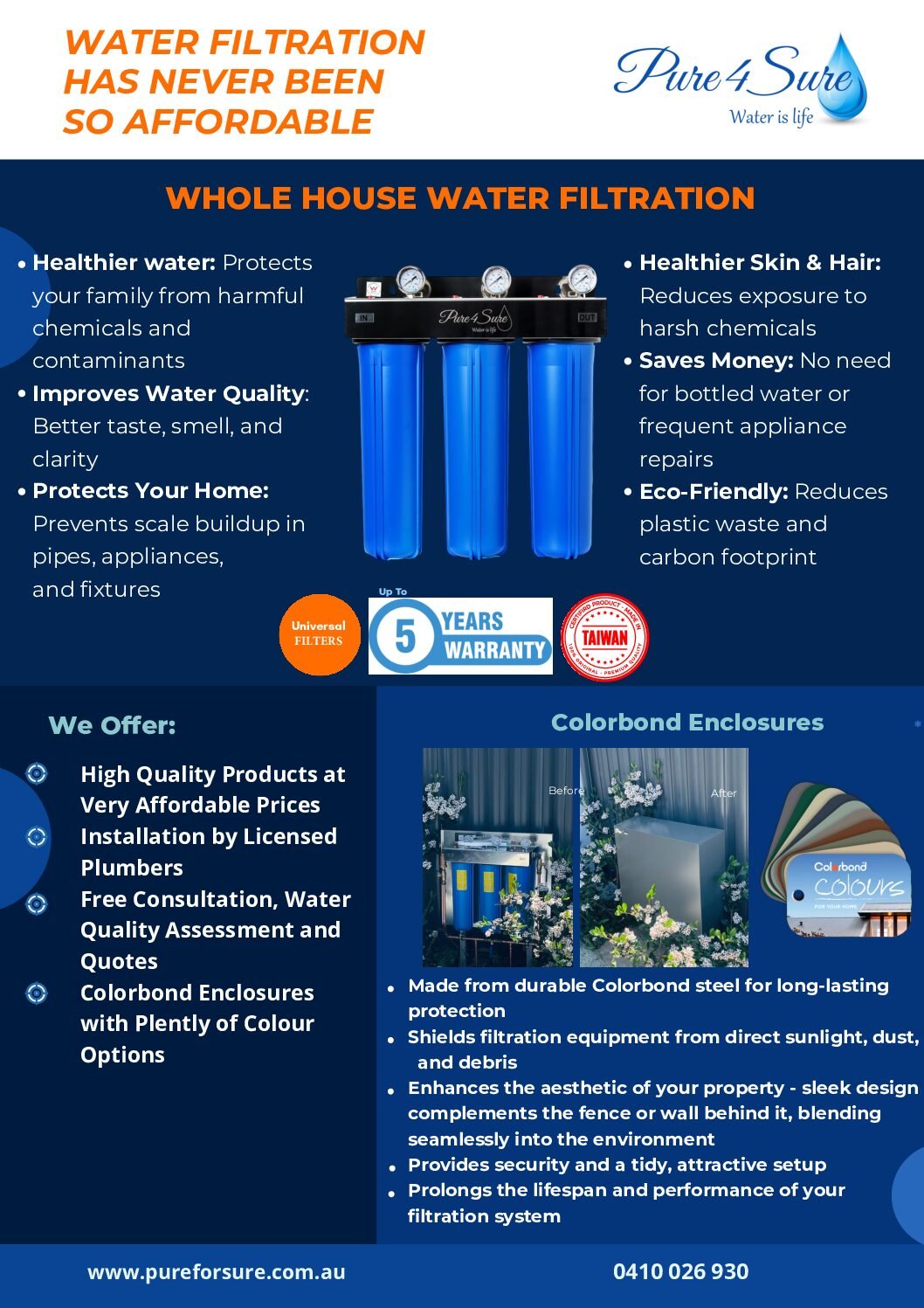
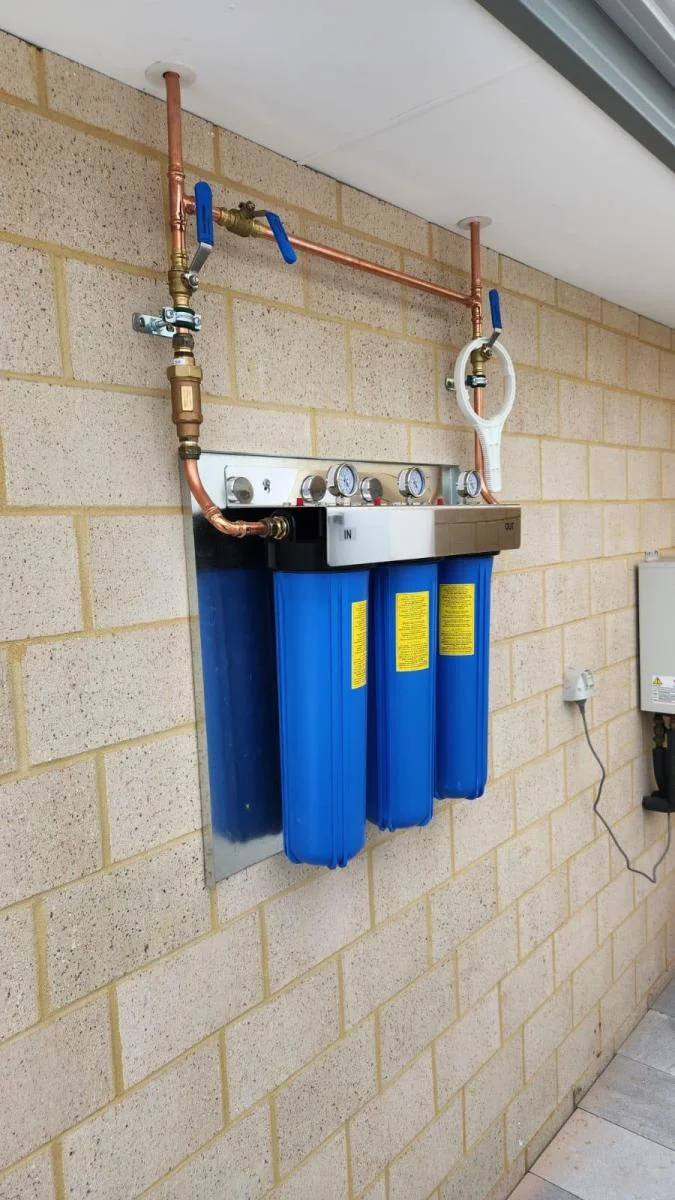
✔ 2. Whole-House Filtration Systems
Great for improving:
- Skin and hair feel
- Appliance lifespan
- Shower and tap water quality
✔ 3. Reverse Osmosis (RO) Systems
Perfect for drinking water, RO removes minerals, chemicals, and other contaminants at a high level.
✔ 4. Multi-Stage Filtration
A combination of sediment, carbon, and specialty filters designed to target minerals and other impurities.
Is Hard Water a Big Problem in Western Australia?
In many parts of WA — including Perth suburbs and regional areas — hard water is common due to the mineral composition of groundwater sources. Homeowners often notice:
- Faster wear on appliances
- Higher energy bills
- More frequent plumbing maintenance
Testing your water and installing an effective solution can save money in the long run.
Final Thoughts
Hard water may not be harmful to your health, but it impacts your home, appliances, and everyday comfort. Understanding what hard water is — and how to test for it — is the first step towards better water quality.
For households across Western Australia, improving water quality leads to:
- Softer skin & hair
- Cleaner surfaces
- Better-tasting water
- Longer-lasting appliances
Clean, softer water isn’t just a luxury — it’s a long-term investment in your home.
Frequently Asked Questions (FAQs)
1. What is hard water?
Hard water is water that contains high levels of calcium and magnesium minerals. These minerals naturally dissolve into the water supply and can cause issues like scale buildup, soap scum, and dry skin. Hard water is common in many parts of Western Australia.
2. What causes hard water?
Hard water forms when groundwater passes through limestone, chalk, or mineral-rich rock. These materials release calcium carbonate and magnesium into the water, increasing hardness levels. Areas with older pipes or bore water sources tend to have higher hard water minerals.
3. How can I test for hard water at home?
You can test hard water using a simple TDS (total dissolved solids) meter, a water hardness test strip, or by observing common signs like soap not lathering, white scale on taps, or mineral spots on glass. These quick checks help identify hardness in drinking water.
4. What are the signs of hard water?
Typical signs include soap scum on bathroom surfaces, scale buildup in pipes and appliances, dry skin, dull hair, and cloudy marks on dishes. In Western Australia, these symptoms are common due to naturally higher mineral levels in the water supply.
5. Is hard water safe to drink?
Yes, hard water is generally safe to drink. The minerals are naturally occurring and not harmful. However, hard water can cause long-term issues in your home, such as appliance damage, scale buildup, and reduced water flow.
6. What problems can hard water cause at home?
Hard water can lead to scale buildup in pipes, clogged taps, reduced appliance lifespan, increased energy use, and visible marks on glass and tiles. It can also dry out skin and hair over time.
7. What are the best treatment options for hard water?
The most effective treatment options include whole house water softeners, multi-stage filtration, and scale reduction systems. These solutions help remove or neutralize hard water minerals and protect pipes, appliances, and fixtures.
8. Does Western Australia have hard water?
Yes. Many areas of Western Australia, including Perth and surrounding regions, experience moderate to high hard water levels due to mineral-rich groundwater sources and ageing infrastructure.
9. How does a water softener work?
A water softener uses ion exchange to replace hardness minerals like calcium and magnesium with sodium or potassium. This process reduces scale buildup, improves water flow, and protects appliances throughout your home.
10. Should I treat hard water in my home?
If you notice scale, soap scum, dry skin, or appliance issues, treating hard water is recommended. A filtration or softening system improves water quality, reduces household maintenance, and extends appliance lifespan.