When you turn on the tap for a glass of water, you expect it to be clean and safe. But recent research has raised a surprising question:
Are we drinking plastic every day?
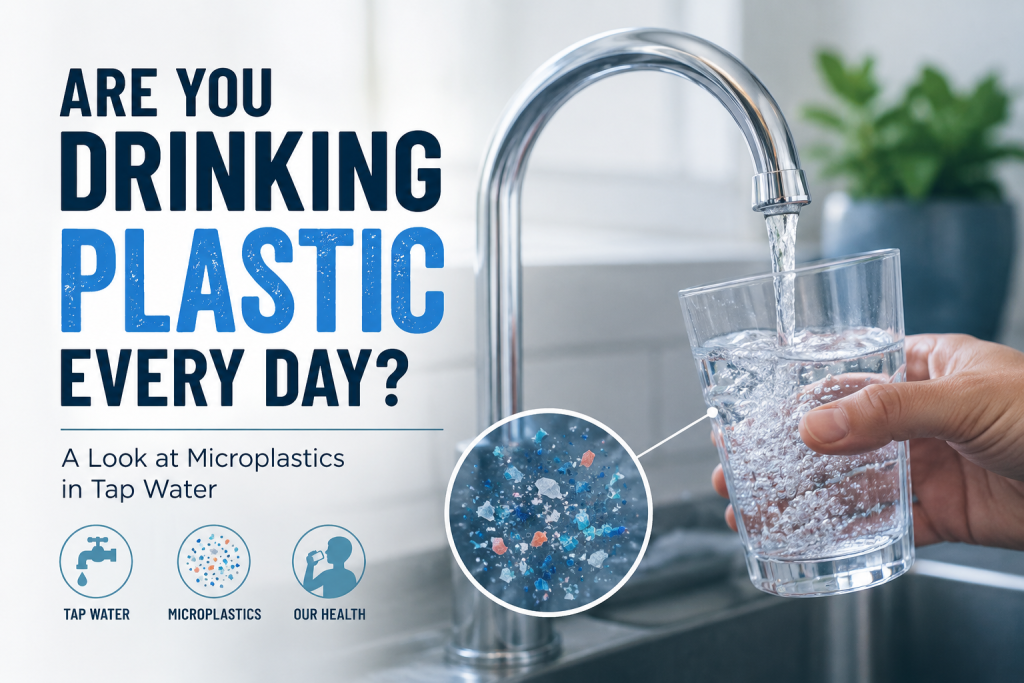
Microplastics — tiny plastic particles invisible to the naked eye — have been found in oceans, soil, food, bottled water, and even tap water. For many households across Western Australia, this raises concerns about what’s really in their drinking water.
Let’s break it down clearly and calmly — without hype — so you can understand the facts and make informed choices.
What Are Microplastics?
Microplastics are extremely small pieces of plastic, usually less than 5 millimetres in size. Some are so tiny they can only be seen under a microscope.
They come from:
- Breakdown of larger plastic items
- Synthetic clothing fibres released during washing
- Degrading plastic bottles and packaging
- Industrial waste and environmental pollution
Over time, these plastic particles enter waterways, eventually making their way into tap water and bottled water supplies.
Because plastic doesn’t biodegrade easily, it fragments into smaller and smaller particles — but never fully disappears.
How Much Microplastics Do We Consume and From Where?
Research suggests humans may ingest thousands of plastic particles each year through:
- Drinking water (both tap and bottled)
- Seafood
- Salt
- Packaged foods
- Airborne dust
One widely cited study estimated that people could consume the equivalent of a credit card’s worth of plastic per week. While exact numbers vary, there’s little doubt that microplastics are present in our daily environment.
Tap Water vs Bottled Water
Studies have found microplastics in both tap water and bottled water worldwide. In fact, some research suggests bottled water may contain more plastic particles due to shedding from plastic bottles during storage and transport.
This often surprises people who switch to bottled water thinking it’s cleaner.
In Western Australia, tap water is treated and regulated, but microplastics are not yet fully monitored in routine water testing.
Bottled or Tap Water — What’s Better?
It’s not as simple as choosing one over the other.
Bottled Water
Pros:
- Convenient
- Portable
Cons:
- Stored in plastic bottles
- Higher environmental impact
- May contain plastic particles from packaging
Tap Water
Pros:
- Regulated supply
- Lower environmental impact
- Cost-effective
Cons:
- May contain trace microplastics
- Can have mineral taste depending on location
For many households in Western Australia, the better option is improving the quality of tap water at home rather than relying on bottled water long term.
How Can I Consume Less Microplastics?
While we can’t eliminate plastic entirely, we can reduce exposure.
Here are practical steps for households in Western Australia:
1. Avoid Storing Water in Plastic Bottles
Heat and time can increase plastic particle shedding. Use stainless steel or glass bottles instead.
2. Reduce Single-Use Plastic
Less plastic use means fewer particles entering the environment.
3. Use a High-Quality Water Filtration System
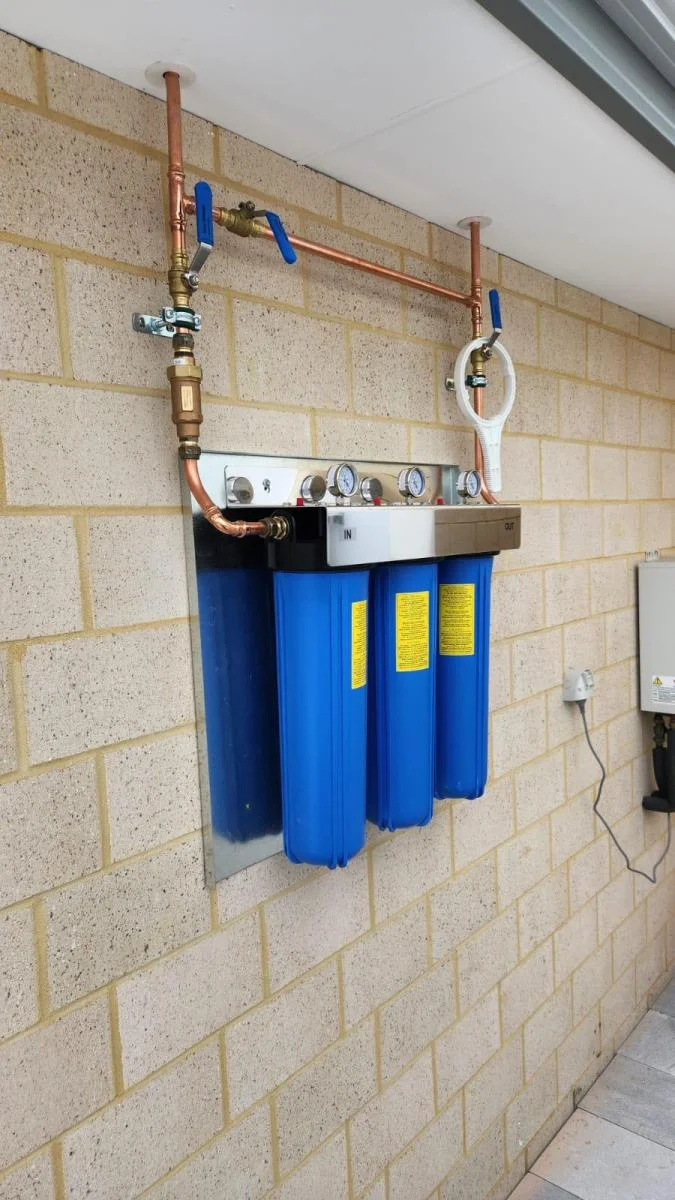
Certain advanced filtration systems, such as reverse osmosis and multi-stage filters, are designed to reduce very small contaminants — including some microplastic particles.
4. Avoid Reheating Food in Plastic Containers
Heat accelerates breakdown of plastic.
5. Wash Synthetic Clothes with Care
Using laundry filters can reduce microfibres entering waterways.
Why This Matters in Western Australia
Western Australia relies on a mix of groundwater, desalinated seawater, and surface water sources. While the water supply meets safety standards, environmental plastic pollution is a global issue — and no region is completely isolated from it.
If you’ve noticed:
- Cloudiness in drinking water
- Concerns about bottled water quality
- Desire to reduce household plastic exposure
— it may be time to look at ways to improve your home’s water quality.
Final Thoughts: Are You Drinking Plastic Every Day?
Microplastics are now part of our modern environment. They’ve been detected in oceans, soil, food, bottled water, and even tap water. While research is still evolving, many households are choosing to take simple steps to reduce unnecessary plastic exposure.
If you live in Western Australia and are concerned about plastic particles in your drinking water, improving your home’s filtration system can be a practical step forward.
At Pure4Sure, we help WA families better understand their water and explore filtration options designed to reduce contaminants while improving taste and clarity.
If you’d like to learn more about your home’s water quality or discuss suitable filtration solutions, you can explore your options at Pure4Sure or speak with a local water specialist for guidance tailored to your household needs.
Clean, confident drinking water starts with informed decisions.
Frequently Asked Questions
Are there microplastics in tap water in Western Australia?
Yes. Microplastics have been detected globally, including in Australia. While WA drinking water meets safety standards, microplastics are an emerging contaminant still being studied.
Is bottled water better than tap water for microplastics?
Not necessarily. Bottled water can contain equal or higher levels of plastic particles due to shedding from plastic bottles.
How do microplastics get into tap water?
Microplastics form when larger plastic waste breaks down into tiny particles that enter rivers, groundwater, and public water systems.
Are microplastics in tap water harmful?
Research is ongoing. Large particles likely pass through the body, but scientists are still studying the long-term effects of smaller particles.
How can I reduce microplastics in drinking water?
Using advanced filtration systems such as reverse osmosis can help reduce microplastics in tap water.
How much plastic do we consume from water?
Some studies estimate people may ingest thousands of plastic particles yearly through drinking water and food, though exact amounts vary.